
AC Repair in Fort Worth & Tarrant County
When the vents start blowing warm, the cause is usually one part: a capacitor, a contactor, a clogged drain or a leak. Our techs track it down, show you what failed and tell you the price before they fix it.
Request Service
Tell us what's going on and the office will call you back to set a time.
Rather pick a time yourself? Book online
AC repair
What usually breaks when an AC stops cooling?
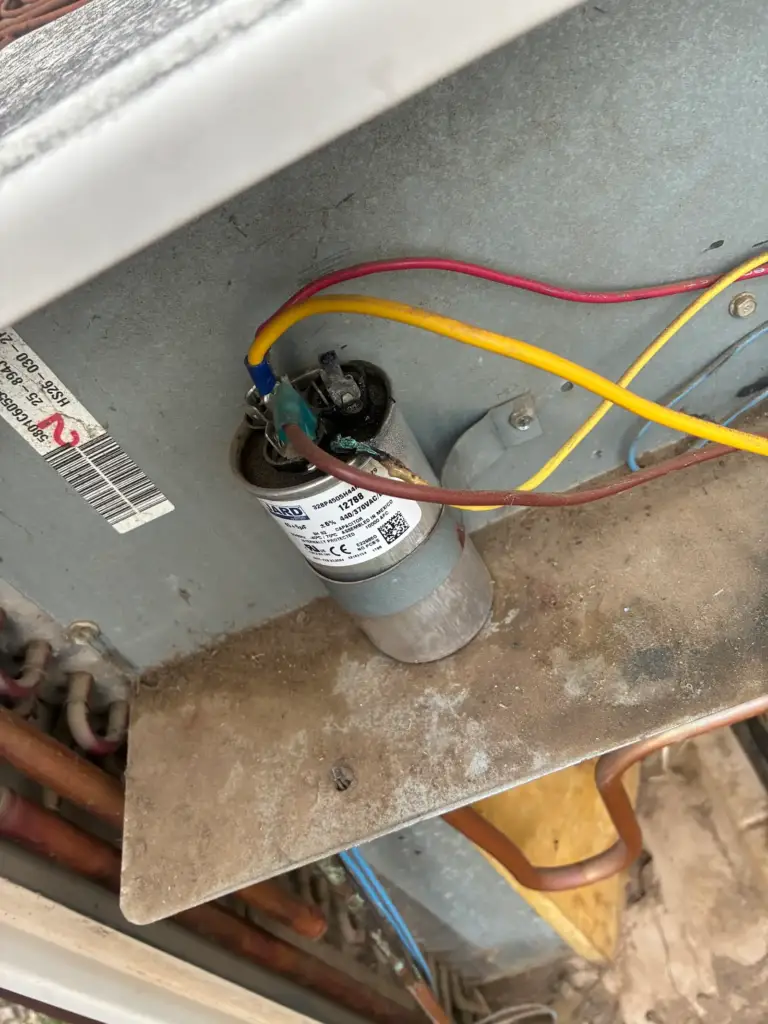
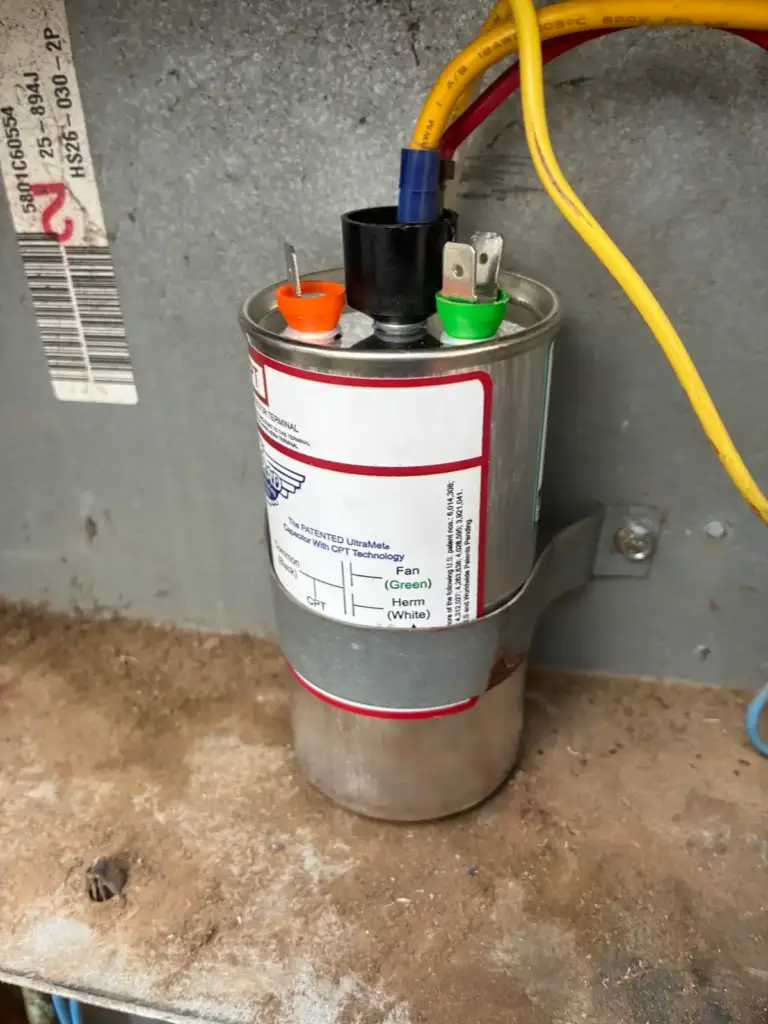
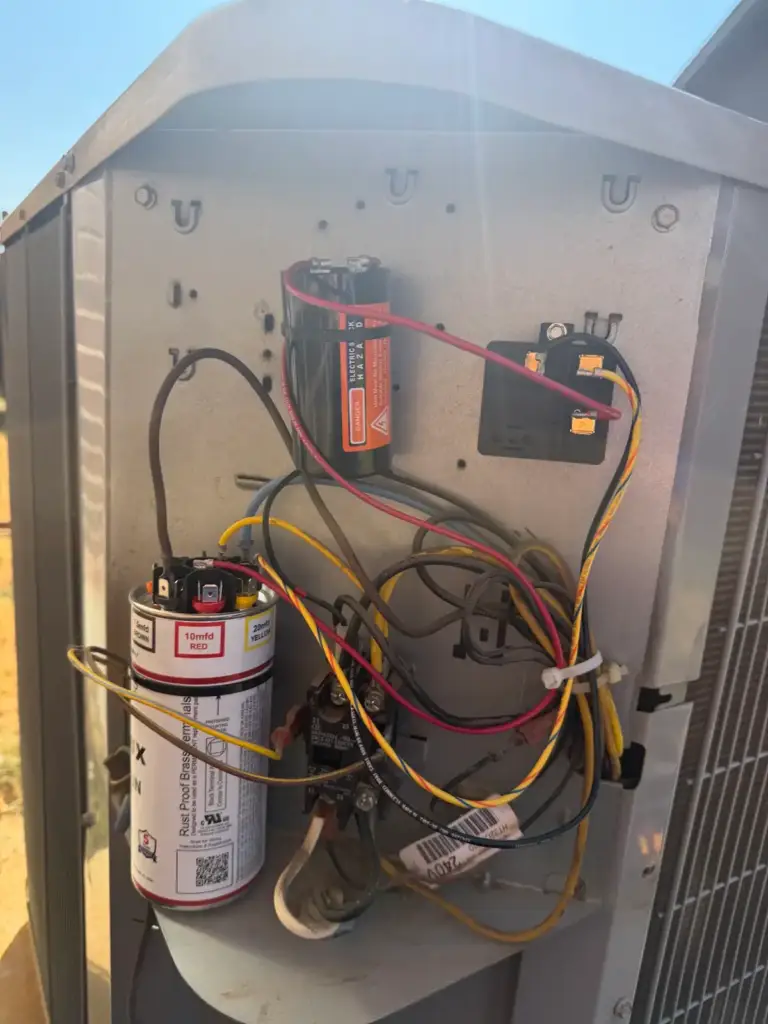
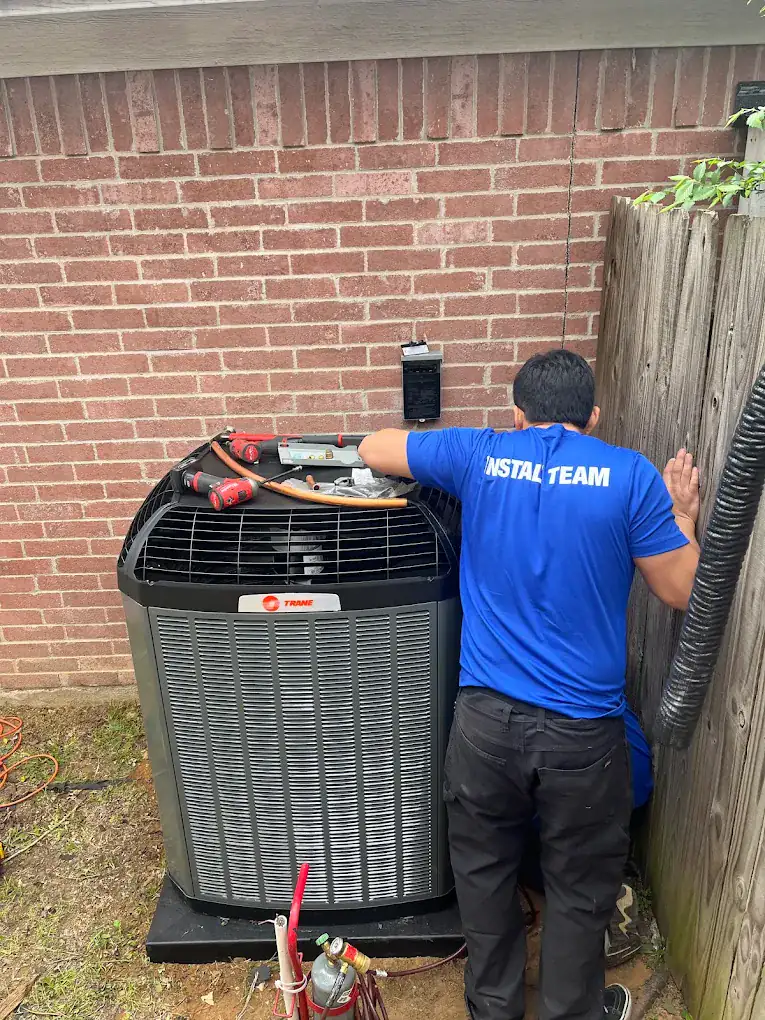
Most often a small electrical part in the outdoor unit. Capacitors weaken after enough Texas summers and the motors stop starting, and contactors pit and stick. Clogged drains, dirty coils and refrigerant leaks are next. Compressors can fail too, so the tech tests the smaller parts first and shows you the readings.
- Weak or failed run capacitors
- Burned or stuck contactors
- Clogged condensate lines and tripped float switches
- Refrigerant leaks and low charge
- Dirty or frozen evaporator coils
- Outdoor fan and indoor blower motors
- Compressor and wiring faults
- Thermostat-to-unit communication errors
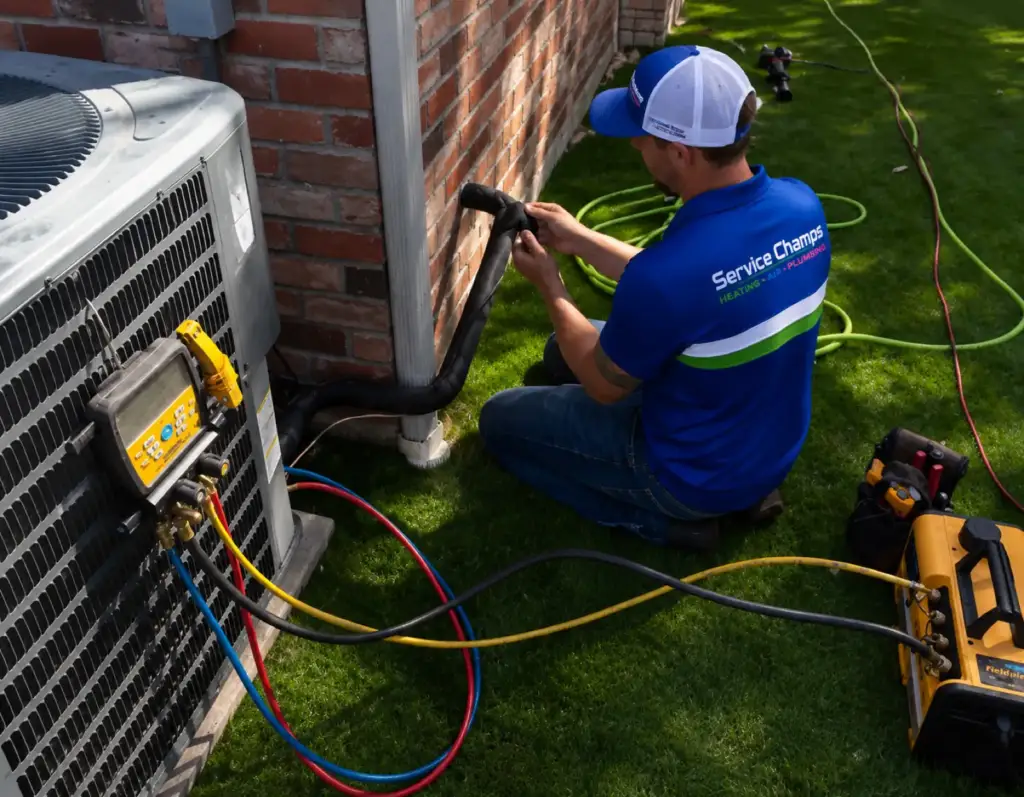
Good to know
Will I know the cost before you start the repair?
Yes. After the diagnosis you see your options and their prices before a single part is changed, and nothing moves ahead until you say so. Paul S. put it simply: “They were upfront about the a/c issues and repairs pricing.” If you want to finance the repair, mention it at that point, before the work begins.
AC quit? Try these before we get there
- Set the thermostat to Cool, drop it a few degrees and give the system five minutes to respond.
- If the outdoor unit hums but its fan won’t spin, turn the system off so the compressor isn’t straining.
- Ice on the copper lines? Switch the system to Off and the fan to On so the coil can thaw.
- Leave the outdoor unit’s panel closed; capacitors can hold a charge even with the power off.
- Call (682) 474-0599 and describe what you saw, so the tech walks in with the likely parts in mind.
The rules
My AC is old. Can it still be recharged with R-22?
Only from refrigerant that already exists. EPA says no new HCFC-22, sold as R-22, has been made or imported in the United States since January 1, 2020. You can keep using an R-22 system, and EPA doesn’t require you to replace it, but each recharge draws on a shrinking supply, so finding and fixing the leak matters more.
2020the year new R-22 production and imports ended in the U.S., per EPA
EPA’s homeowner questions on the R-22 phaseout also warn against R-22a, a flammable product marketed as a substitute that EPA calls not acceptable for home AC. Under Clean Air Act Section 608, refrigerant can’t be vented on purpose during service, and recharging takes Section 608 certification. Newer R-410A systems can be repaired for their whole useful life, according to EPA. If yours is near the end anyway, the AC replacement page covers the next step.
Watch
Were you just told you need a whole new AC?
Eric made this short reel for homeowners who have just been handed a quote for a brand-new system. His message, in short: hold on, and get the failure diagnosed before you agree to replace anything. Watch it before you sign, then call us if you’d like a second set of eyes on the unit.
How the visit runs
What happens on an AC repair visit
- SchedulePick a time by phone or online, and get a reminder before the day.
- On the wayA text lets you know when the tech is headed to your house.
- TestingReadings at the condenser and air handler, with photos or video of what failed.
- Your decisionYou see the options with prices and choose one, or none.
- Repair and recheckThe part goes in, and he watches the system cool before he packs up.
From a customer
What do customers say after an AC repair?
Ray B. noticed that Brandon “even uses video to show me what he saw that I couldn’t access.” On a tricky call, John M. wrote that “the issue was a corroded wire that was nowhere in plain sight.” And after a leak repair, Loryn said the tech “stuck around to make sure the temp was dropping before leaving.”
“Brandon was extremely professional, personable, and thorough! He even uses video to show me what he saw that I couldn't access.”
FAQ
What Fort Worth Homeowners Ask About AC Repair
My outdoor unit hums, but the fan doesn't spin. What is that?
Very often a weak capacitor, the part that gives the fan and compressor motors their starting kick. Matthew H.’s tech tested his and found it was “reaching the end of its shelf life based on the stored voltage.” Turn the system off so the compressor doesn’t keep straining, and don’t poke at the fan; capacitors can hold a charge.
Why is there ice on my AC lines in the middle of summer?
Ice usually means the coil is too cold, from weak airflow or low refrigerant. A clogged filter, a dirty coil or a failing blower can choke the air; a leak drops the pressure. Switch the system off, run the fan to thaw it, and change the filter if it’s dirty. If the ice comes back, a tech needs to test it.
Can you look at an AC another company said needs replacing?
Yes. Stan G. called for a second opinion after another company’s hefty estimate, and the tech “checked out the unit again explained the readings and gave it a clean bill of health.” Sometimes replacement really is the right call; either way, you’ll see the readings and both options.
Do you repair the attic part of the system too?
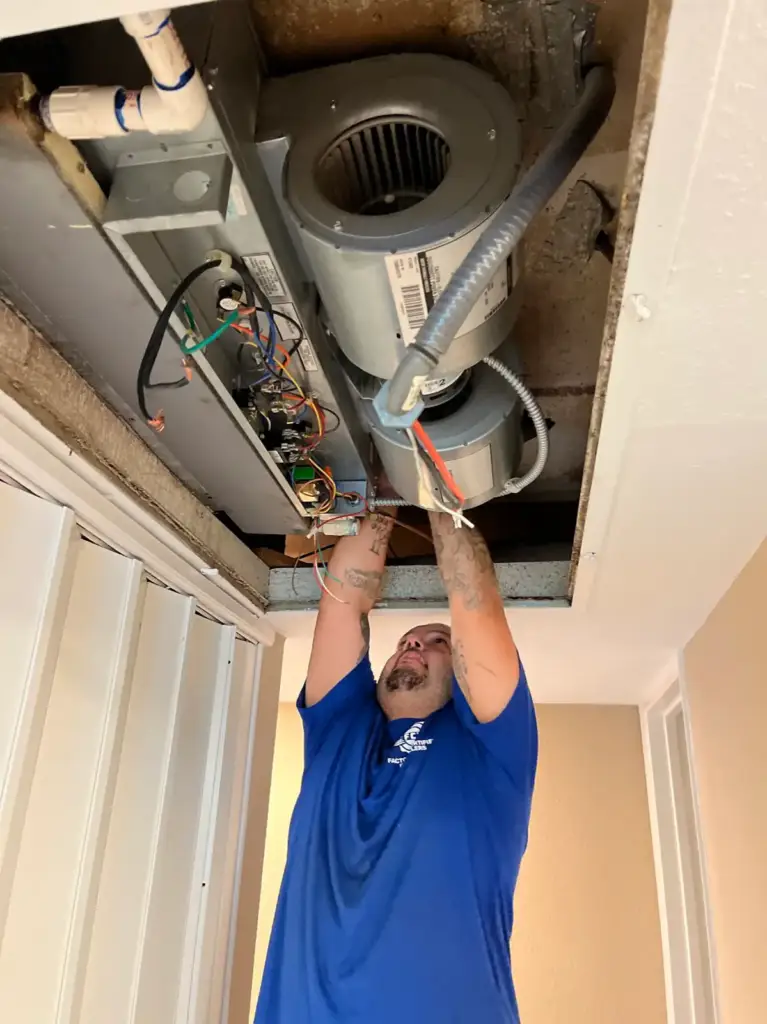
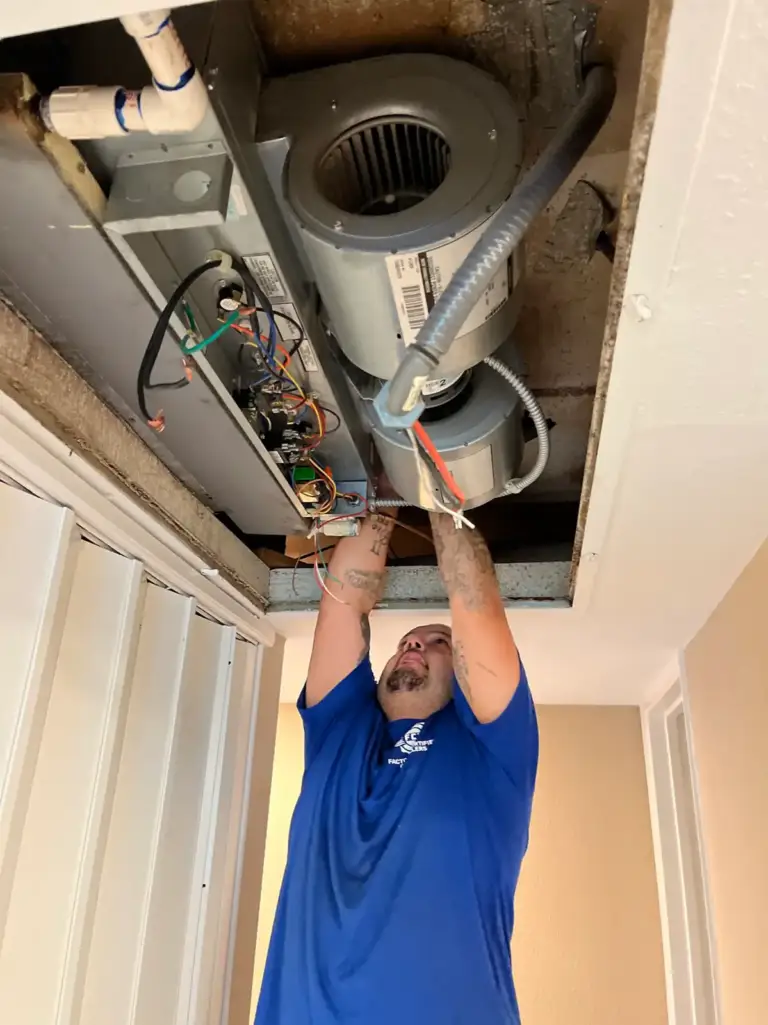
Yes. In most North Texas homes the indoor coil, blower and drain pan sit in the attic, where summer heat is brutal on parts and on the tech. A no-cool call usually means checking both halves: the condenser outside and the air handler or furnace upstairs, plus the drain line that runs between them.
Why does my AC blow cool but not cold air?
It’s still running, but something is holding it back. Common causes are a dirty outdoor coil, a clogged filter, low refrigerant from a slow leak, or a fan running at the wrong speed. Each one has a different fix, which is why the tech takes readings before naming the problem. Catching it early can keep a small repair from becoming a bigger one.
Service area
Which towns do you cover for AC repair?
Repair calls go out from both shops. Golden Heights Rd in far north Fort Worth sends techs across Fort Worth, Haltom City, Arlington, Mansfield, Benbrook and Granbury. From W Lemon St, they reach Saginaw, Sansom Park, Roanoke and Azle. Not sure about your street? Check the service areas page.
- Fort Worth, TX
- Saginaw, TX
- North Richland Hills, TX
- Keller, TX
- Blue Mound, TX
- Lake Worth, TX
- Sansom Park, TX
- Azle, TX
- Springtown, TX
- Reno, TX
- Rhome, TX
- Haslet, TX
- Roanoke, TX
- Watauga, TX
- Haltom City, TX
- Southlake, TX
- Hurst, TX
- Euless, TX
- Bedford, TX
- Grapevine, TX
- Arlington, TX
- Mansfield, TX
- Burleson, TX
- Benbrook, TX
- Granbury, TX
- Weatherford, TX
- Crowley, TX
- Everman, TX
- Rendon, TX
- Joshua, TX
- Godley, TX
- Alvarado, TX
- Keene, TX
- Venus, TX
- All service areas
Related services
When a repair isn't the whole story
Talk to Eric's team
Vents blowing warm?
Call (682) 474-0599. We take calls 24/7, and the tech will show you what failed and the price before the repair.