February 24, 2026
When your heating or cooling system starts acting up, it can create immediate stress for your household. Comfort, safety, and energy efficiency often depend on a well-functioning HVAC system, and even minor issues can disrupt your daily routine. Whether your home suddenly feels too warm, too cold, or is experiencing unusual noises or odors, the need for HVAC repairs can arise without warning. Understanding what happens during the repair process helps homeowners feel more confident and prepared when scheduling a service appointment. With Americans relying heavily on their heating and cooling systems throughout the year, the demand for professional services continues to rise. According to Rep Order Management, Americans spend over $14 billion annually on HVAC repairs and services. This highlights just how essential it is to have reliable professionals available to diagnose and resolve system problems.
Before a technician arrives, many homeowners wonder what types of issues might be uncovered, how long the visit will take, and what outcomes to expect. HVAC systems are intricate, and a wide range of problems can cause symptoms that seem similar at first glance. Professional technicians rely on detailed inspections, proper diagnostic tools, and industry knowledge to pinpoint the true cause of a malfunction. Below, we break down the key steps and considerations involved in HVAC repairs so you know what to anticipate from start to finish.
Understanding the Initial Symptoms That Lead to Service Calls
Most HVAC repairs begin with noticeable changes in system performance. Homeowners may detect reduced airflow, uneven temperatures, louder-than-usual operation, or an increase in energy bills. Strange odors, excessive cycling, or a complete shutdown of the system are also common signs that something is wrong. Because HVAC components work together, a problem in one area can cause issues to appear elsewhere, which makes professional evaluation essential.
During the early stages of scheduling service, technicians often ask homeowners about the symptoms they have observed. This information provides valuable clues and helps them prioritize which components to examine first. Knowing how your system behaved before the issue appeared can also speed up the diagnostic process. Reporting details such as when the problem started, whether it occurs consistently, and whether it worsens during certain times of day helps create an accurate picture of the system's overall condition.
These early warning signs are not always linked to major failures. In many cases, minor adjustments or simple part replacements can restore full system functionality. Still, addressing issues promptly is important because small problems can grow into more expensive repairs if left unchecked.
Conducting a Professional Diagnostic Evaluation
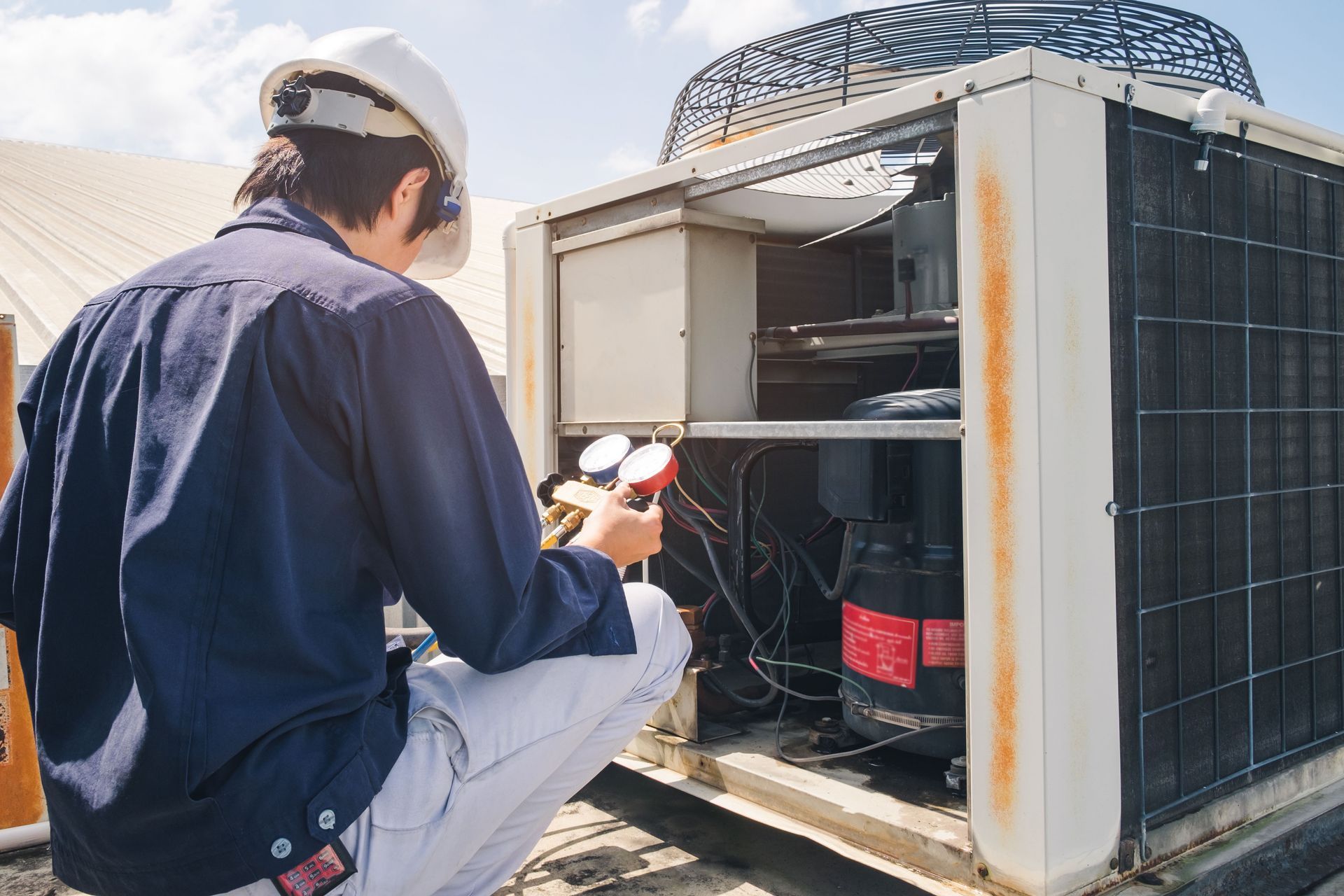
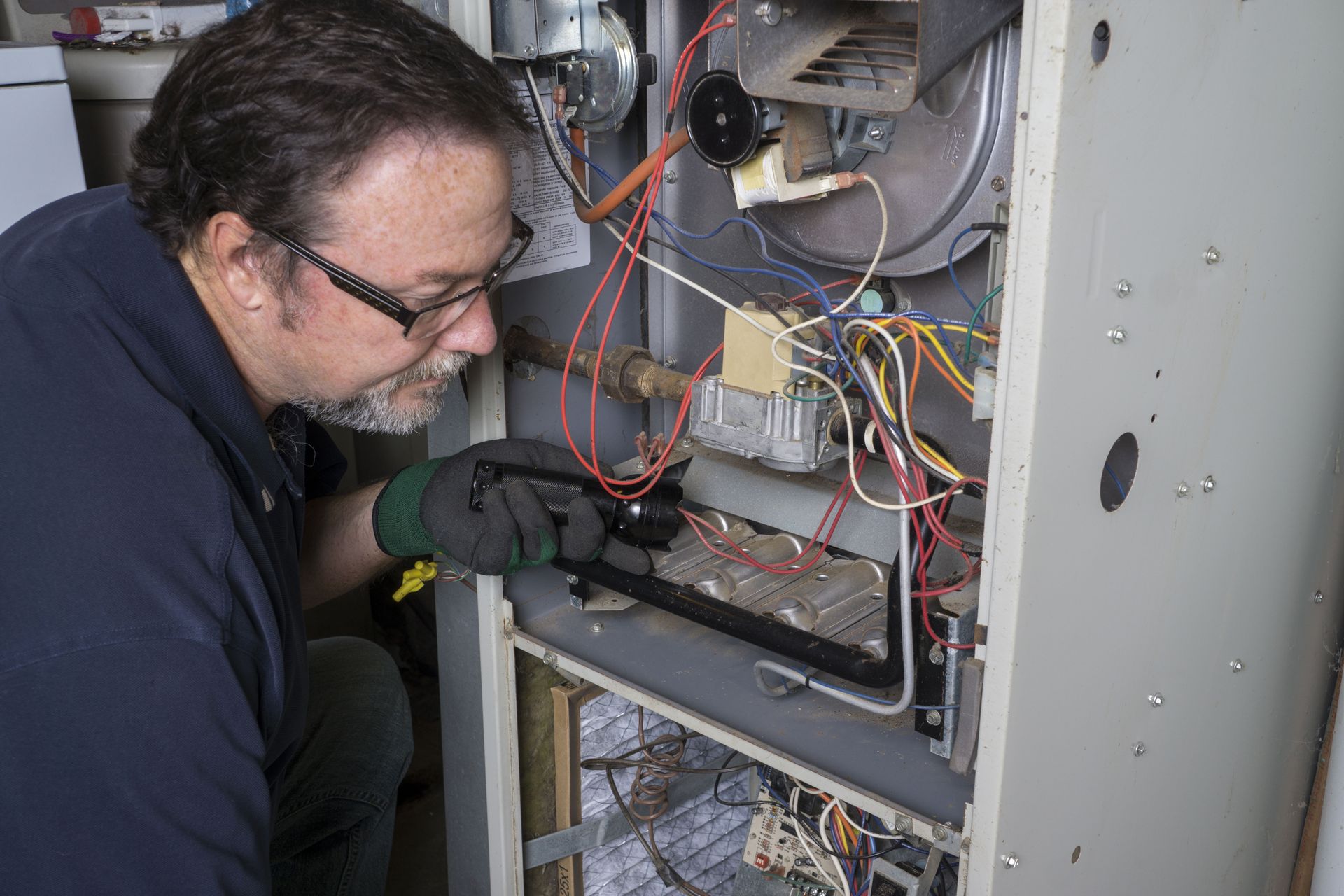
Once the technician arrives, the first stage of HVAC repairs is a thorough diagnostic evaluation. Professionals begin by examining the system visually, checking for loose wiring, dirty components, damaged parts, or blocked airways. They may test electrical connections, evaluate airflow, and measure temperature output to see how well the system is performing.
Modern HVAC systems often include digital or smart components that technicians can analyze with specialized tools. Error codes, system history, and performance data help professionals pinpoint the exact source of a malfunction. Diagnostics can uncover issues such as failing capacitors, refrigerant leaks, malfunctioning thermostats, clogged condensate lines, or damaged blower motors.
During this phase, technicians assess both major and minor components, ensuring that nothing is overlooked. Even if the problem seems straightforward, the diagnostic process confirms that no underlying issues will continue affecting performance after the repair. By the end of this evaluation, homeowners receive a clear explanation of what’s wrong and what steps are needed to resolve the issue.
Reviewing Repair Options and Cost Estimates
After identifying the problem, the technician provides recommendations for the necessary HVAC repairs. This conversation includes outlining the required parts, explaining labor expectations, and giving an honest assessment of whether repair or replacement is the better long-term option. Reputable technicians help homeowners understand these details without using pressure tactics or confusing terminology.
Cost estimates must be transparent, allowing homeowners to decide how to proceed. If the system is aging or experiencing recurring issues, a technician may explain why certain repairs might only offer short-term improvements. Conversely, if the problem is minor, the repair may be quick and inexpensive. The goal is always to give homeowners the knowledge they need to make informed decisions based on budget, comfort, and efficiency.
This stage of the process ensures clear communication and avoids surprises once the work is underway. Technicians are trained to answer questions about components, timelines, and maintenance recommendations, giving homeowners peace of mind about the next steps.
Completing the Necessary Repair Work Efficiently
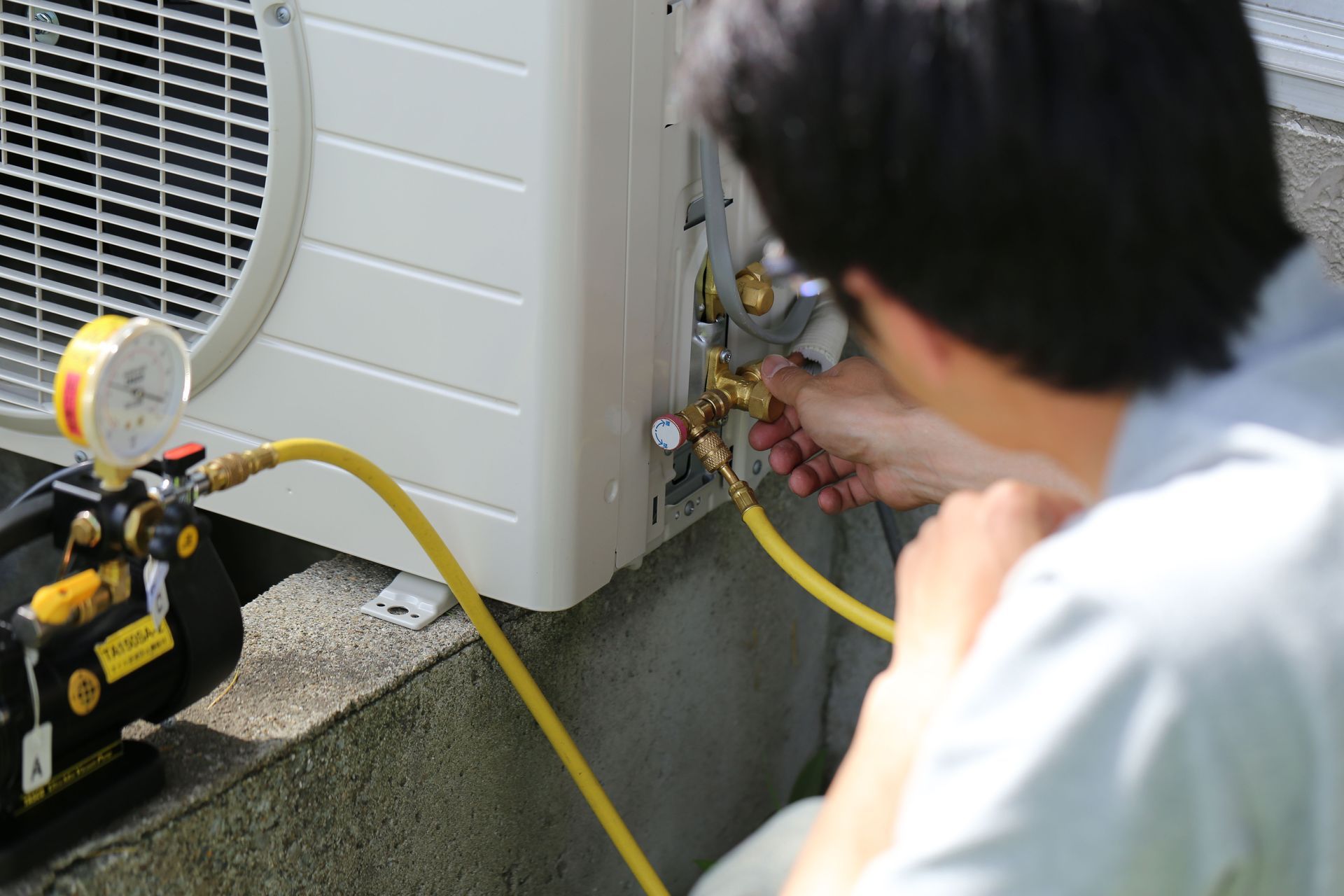
Once the homeowner approves the plan, the technician begins the actual work. Depending on the nature of the issue, HVAC repairs may involve cleaning components, replacing parts, sealing leaks, adjusting electrical connections, or recalibrating system controls. Many repairs can be completed the same day, especially if the technician has the required parts on hand.
More complex repairs may take additional time, particularly if major components such as motors or compressors need to be replaced. In these cases, technicians explain the timeline and ensure that homeowners understand how long the repair will take. Safety is always a priority during this phase, with techs carefully shutting down power, securing components, and testing equipment before restoring operation.
After concluding the repair, technicians typically perform a final system test. This involves verifying temperature output, monitoring airflow, and ensuring all components work together smoothly. The goal is to return comfort to the home and guarantee that the repair fully resolves the issue.
Addressing Preventive Maintenance to Avoid Future Breakdowns
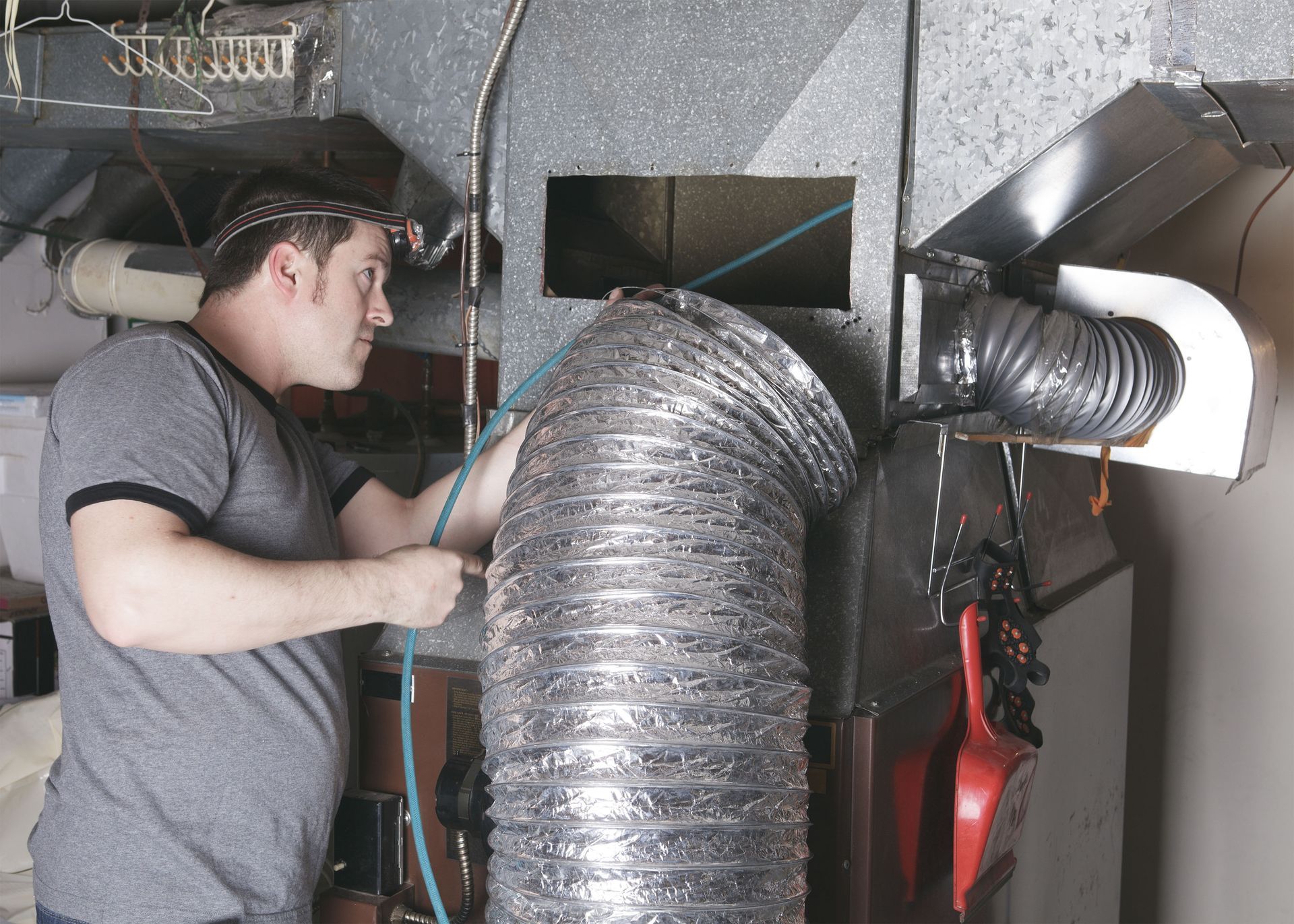
Part of the value of professional HVAC repairs is the opportunity to discuss preventive maintenance. Technicians often notice early signs of wear or buildup that could lead to future problems if ignored. During the service visit, they may recommend simple maintenance steps such as replacing filters more frequently, cleaning ducts, or scheduling seasonal tune-ups.
Preventive care reduces the likelihood of repeated breakdowns and improves energy efficiency. It also prolongs the lifespan of the system by ensuring that components operate under optimal conditions. Homeowners who diligently maintain their HVAC systems often enjoy fewer disruptions and lower long-term repair costs. Professionals can explain which maintenance tasks homeowners can perform themselves and which should be handled by a trained technician.
This focus on prevention transforms each repair visit into an opportunity to improve overall system reliability and performance.
Understanding When Replacement Is More Practical Than Repair
Sometimes, HVAC repairs are not the most cost-effective solution. When a system is more than 10–15 years old, consistently underperforming, or requiring frequent service, replacement may offer better long-term value. Technicians evaluate factors such as overall efficiency, operating costs, and repair history when advising homeowners about this decision.
A replacement system often delivers enhanced comfort, quieter operation, and improved energy efficiency. While the upfront cost may be higher, long-term savings can make this option more economical. During the repair visit, technicians can explain the pros and cons of upgrading and help homeowners weigh the financial and practical considerations involved.
Honest recommendations help homeowners avoid investing repeatedly in a failing system. Skilled technicians offer guidance based on experience and industry standards, not sales-driven motives.
Understanding the process behind HVAC repairs helps homeowners feel more prepared when problems arise. From evaluating early symptoms to conducting diagnostics, reviewing cost estimates, completing repair work, discussing preventive maintenance, and determining when replacement is the better option, each step supports your home’s comfort and efficiency. With Americans spending billions every year on these essential services, having a reliable team on your side is more important than ever. To schedule professional service and restore your system’s performance, contact Service Champs Heating & Air today.